
Top 10 Training Courses to Look For in January 2027
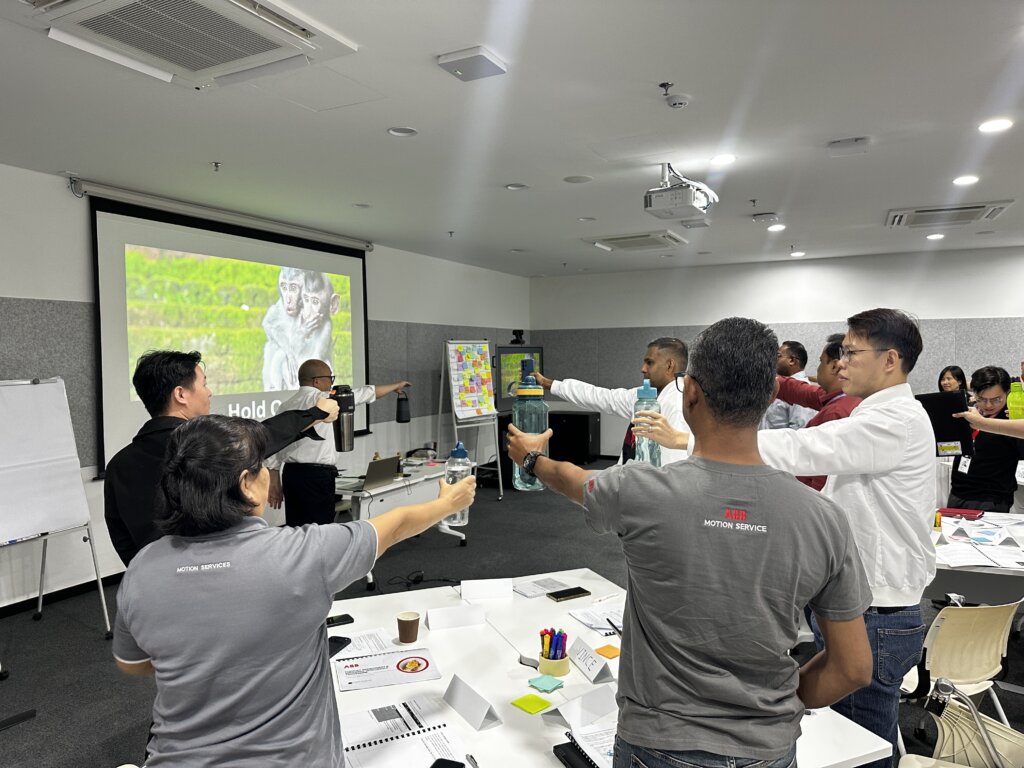
A new year brings new business targets, fresh challenges and another opportunity to invest in your workforce. 🎯
For HR and Learning & Development (L&D) teams, January is an ideal time to review training priorities, identify skills gaps and plan employee development for the year ahead.
But with so many courses available, which corporate training courses should Malaysian companies prioritise in January 2027?
Should you invest in Artificial Intelligence (AI), leadership development, communication skills or technical training? The answer depends on your organisation’s objectives, employees’ current capabilities and the challenges your business expects to face.
One useful starting point is to consider the skills employers increasingly value. The World Economic Forum’s Future of Jobs Report 2025 identifies AI and big data, technological literacy, analytical thinking, creative thinking, resilience and leadership among important or growing skill priorities for the years ahead.
With that in mind, here are 10 training courses worth considering for your January 2027 corporate training calendar. 👇
1. Generative AI and AI for Workplace Productivity 🤖
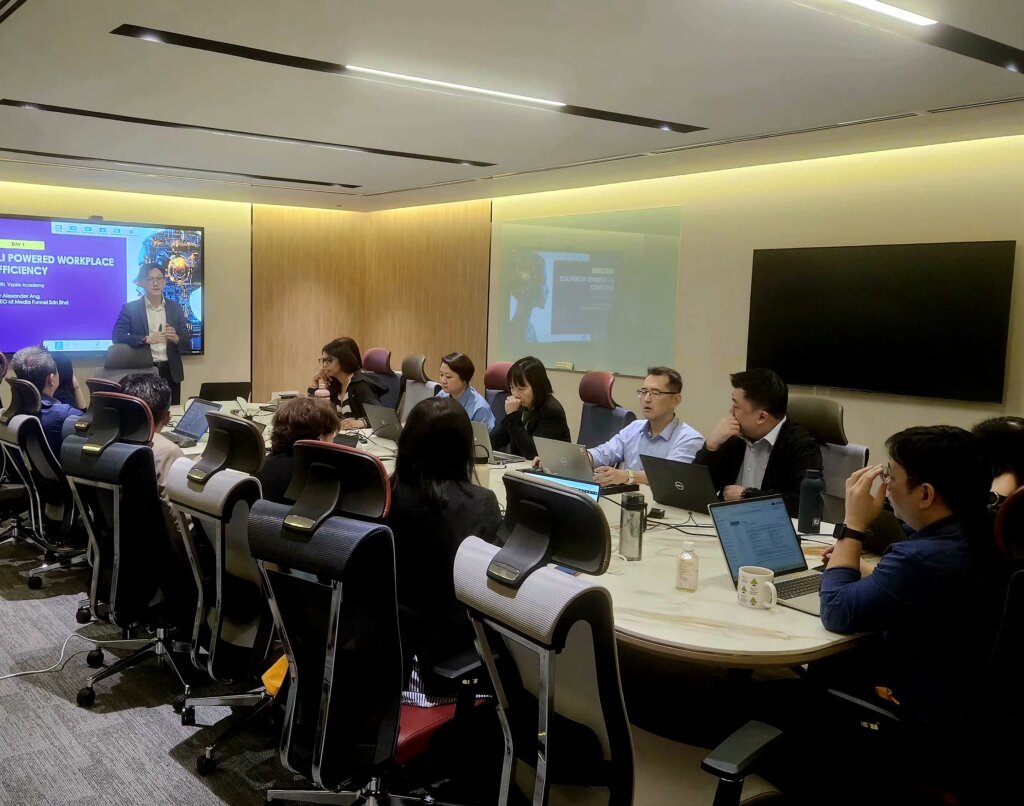
AI is changing how employees research information, create content, analyse data and complete everyday tasks.
However, simply giving employees access to AI tools does not guarantee that they will use them effectively. They need to understand how to give clear instructions, evaluate outputs and apply AI appropriately to their work.
A practical AI training course for employees can help teams move beyond basic experimentation towards more purposeful use.
What employees can learn:
Writing effective prompts for workplace tasks.
Using AI to draft, summarise and organise information.
Applying AI to research, brainstorming and content creation.
Checking outputs for accuracy, bias and relevance.
Understanding data privacy and responsible AI use.
Identifying suitable opportunities to improve productivity.
Who should attend:
Administrative teams, HR professionals, marketers, managers, executives and other employees who regularly work with digital information.
Why prioritise it in January 2027?
A new year is a useful time to identify repetitive tasks and explore where AI could support existing workflows. Organisations should begin with real work challenges rather than adopting tools simply because they are popular.
For businesses looking to develop more advanced capabilities, consider progressing from generative AI fundamentals to Agentic AI and AI automation training, where appropriate.
2. Leadership and Management Development 👑
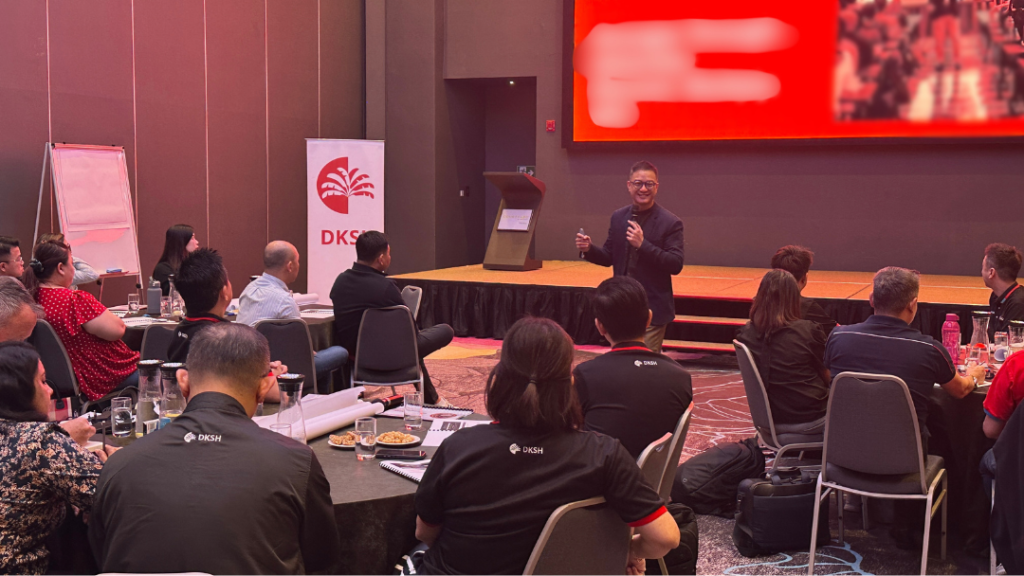
Strong leadership is essential when organisations need to manage change, develop employees and achieve business objectives.
Yet, employees who are promoted into management positions may not automatically have the skills required to lead others effectively.
A structured leadership training course in Malaysia can help managers develop the practical capabilities needed to guide teams, make decisions and manage performance.
What employees can learn:
Leadership styles and their appropriate applications.
Delegation and accountability.
Decision-making and problem-solving.
Performance management and feedback.
Conflict resolution.
Coaching and employee development.
Leading teams through change.
Who should attend:
New managers, supervisors, department heads, team leaders and employees identified for future leadership roles.
Why prioritise it in January 2027?
Annual business planning often introduces new targets, responsibilities and expectations. Developing managers early can help establish clearer priorities and stronger leadership practices throughout the year.
For organisations developing future leaders, consider a longer-term programme with practical assignments, feedback and guided coaching rather than relying solely on a one-off workshop.
3. Advanced Microsoft Excel and Data Analysis 📊
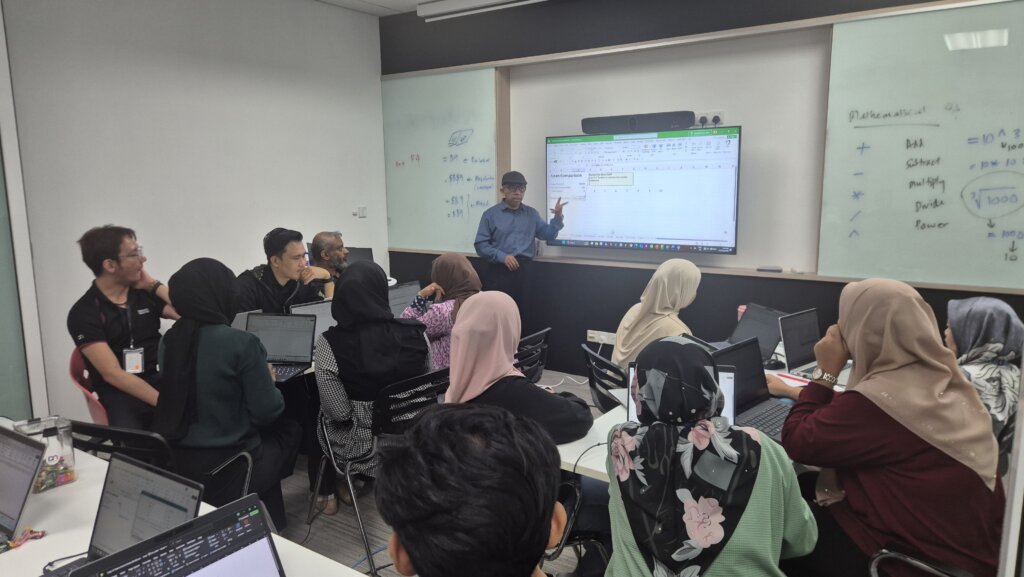
Despite the growing availability of AI tools and business intelligence platforms, spreadsheet skills remain useful across many business functions.
Employees who work with reports, budgets, operational data or performance figures can benefit from learning how to organise information, analyse trends and communicate findings more effectively.
An advanced Microsoft Excel training course can help employees reduce manual work and make better use of the data they already have.
What employees can learn:
Advanced formulas and functions.
Lookup functions and conditional calculations.
PivotTables and PivotCharts.
Data cleaning and validation.
Conditional formatting.
Reporting and dashboard creation.
Power Query fundamentals, where appropriate.
Who should attend:
Finance teams, HR professionals, administrators, operations personnel, analysts and managers who regularly work with spreadsheets.
Why prioritise it in January 2027?
The start of the year often involves budgets, reporting, workforce planning and performance tracking. Improving spreadsheet skills can help employees handle these tasks more efficiently.
Before selecting a course, assess participants’ current proficiency. Intermediate users may need advanced functions and reporting techniques, while beginners will benefit from a stronger foundation first.
4. Communication and Presentation Skills 💬
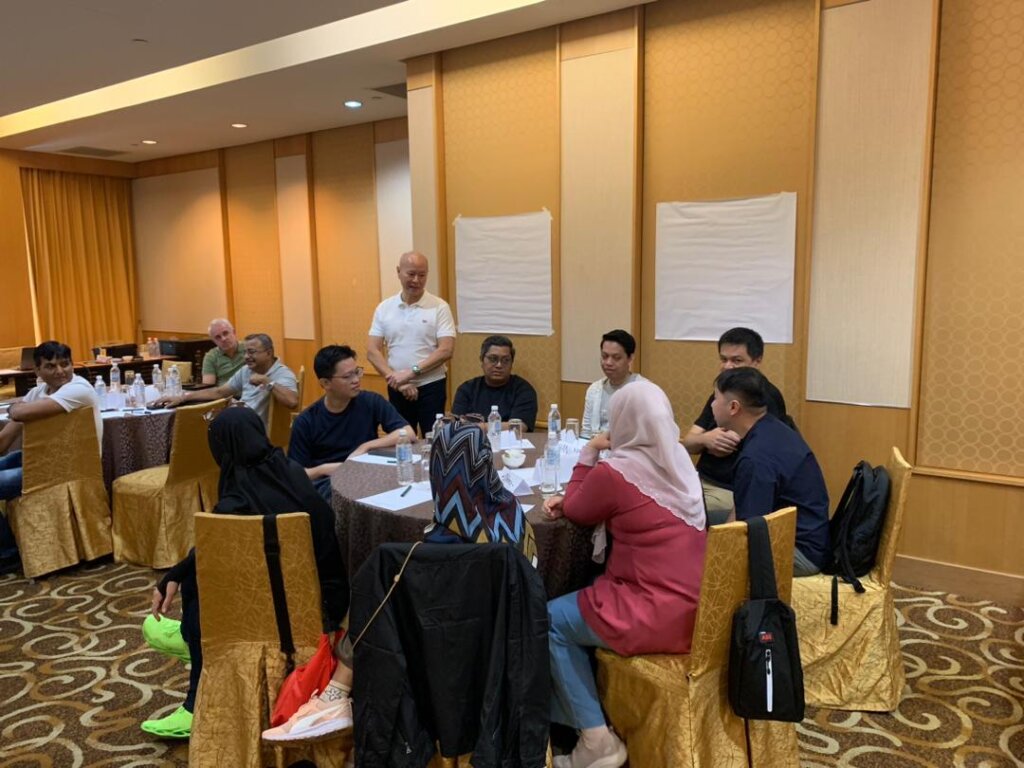
Technical knowledge alone is not enough if employees struggle to explain ideas, present recommendations or communicate clearly with colleagues.
Poor communication can create misunderstandings, delay decisions and make it harder for teams to collaborate.
A business communication and presentation skills course helps employees organise their messages, adapt to their audiences and communicate with greater confidence.
What employees can learn:
Structuring clear and persuasive presentations.
Communicating complex information simply.
Presenting data and recommendations.
Managing questions and objections.
Active listening and questioning techniques.
Communicating with different stakeholders.
Improving confidence during meetings and presentations.
Who should attend:
Executives, sales teams, project managers, team leaders and employees who regularly present information or work with clients.
Why prioritise it in January 2027?
New business plans often need to be communicated across departments. Clear presentations and well-structured discussions can help employees understand priorities and work towards shared objectives.
For greater impact, choose training that includes practical presentations, feedback and opportunities to apply the techniques to actual workplace scenarios.
5. Sales Excellence and Strategic Negotiation 🤝
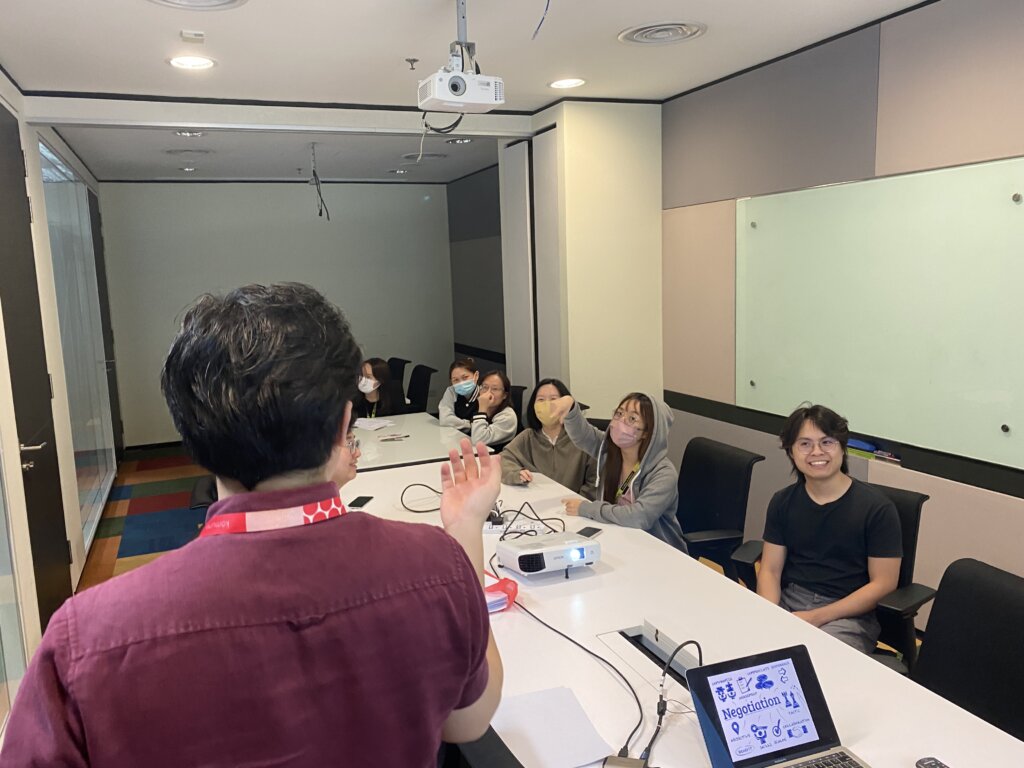
For organisations with revenue, client retention or business development targets, sales training can help employees approach customer conversations more strategically.
Effective selling is not simply about convincing someone to purchase. It involves understanding customer needs, communicating value and negotiating agreements that support sustainable business relationships.
A sales training and negotiation course can help teams refine these capabilities.
What employees can learn:
Prospecting and identifying potential customers.
Asking effective discovery questions.
Understanding customer needs and buying motivations.
Presenting value rather than competing solely on price.
Handling objections.
Negotiation techniques and trade-offs.
Closing sales and maintaining client relationships.
Who should attend:
Sales representatives, account managers, business development executives, procurement professionals and client-facing managers.
Why prioritise it in January 2027?
Sales teams often begin the year with fresh targets and account plans. Training can help employees review their sales approach and develop more structured conversations with customers.
The most suitable course should reflect the organisation’s sales cycle, customer profile and commercial challenges.
6. Emotional Intelligence and Workplace Relationships 🧠
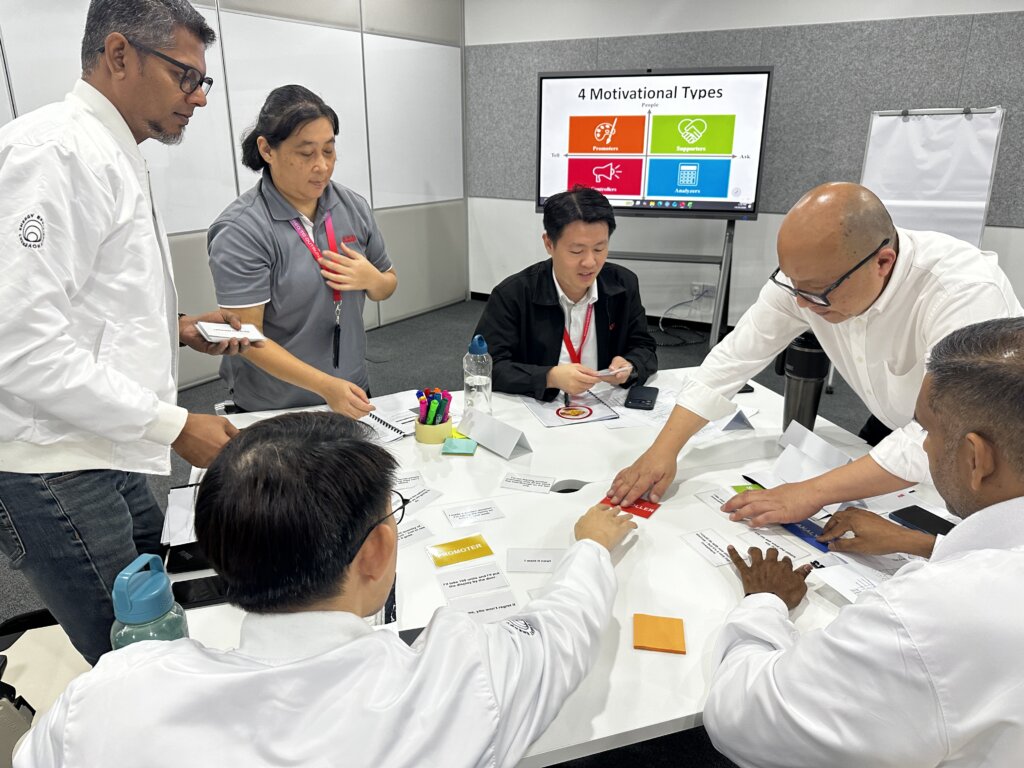
Employees work with different personalities, communication styles and expectations every day.
Without sufficient self-awareness and interpersonal skills, misunderstandings can escalate, feedback can be poorly received and disagreements can affect working relationships.
Emotional intelligence training helps employees understand their responses, recognise others’ perspectives and navigate workplace interactions more constructively.
What employees can learn:
Self-awareness and emotional regulation.
Empathy and perspective-taking.
Active listening.
Managing difficult conversations.
Responding constructively to feedback.
Understanding interpersonal differences.
Building healthier professional relationships.
Who should attend:
Managers, HR professionals, team leaders, customer-facing employees and teams experiencing communication or relationship challenges.
Why prioritise it in January 2027?
A new year provides an opportunity to establish healthier communication habits and improve how employees work together.
For best results, look for practical exercises and realistic workplace scenarios rather than a course that relies entirely on theory.
7. Project Management and Problem-Solving Skills 🧩

Projects can become difficult to manage when responsibilities are unclear, deadlines shift or teams fail to identify risks early.
Project management training helps employees organise work, coordinate resources and monitor progress. Problem-solving training complements these skills by helping participants investigate issues and evaluate possible solutions.
What employees can learn:
Defining objectives and project scope.
Planning tasks, timelines and milestones.
Assigning responsibilities.
Managing risks and dependencies.
Monitoring progress and reporting status.
Identifying root causes of problems.
Evaluating solutions and making decisions.
Who should attend:
Project managers, operations teams, department heads, team leaders and employees responsible for coordinating cross-functional work.
Why prioritise it in January 2027?
As business initiatives and annual targets take shape, employees need a clear understanding of how to turn plans into manageable actions.
Choose a course that reflects the complexity of your projects. A basic project coordination workshop may be sufficient for some teams, while others may need more advanced project management methods.
8. Critical Thinking and Decision-Making 🔍
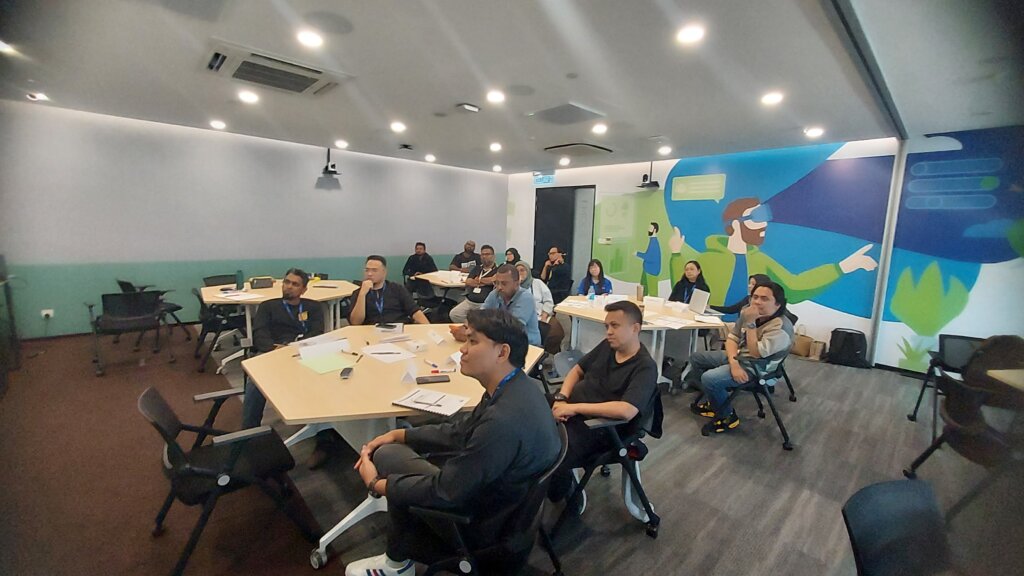
Employees frequently need to evaluate information, identify risks and make decisions despite uncertainty.
Critical thinking training can help them distinguish assumptions from evidence, consider alternative explanations and avoid rushing into solutions.
These skills are especially valuable when employees work with large amounts of information or use AI-generated content to support their decisions.
What employees can learn:
Identifying assumptions and potential biases.
Evaluating information and evidence.
Analysing problems systematically.
Comparing options and trade-offs.
Assessing risks and consequences.
Making evidence-informed decisions.
Applying structured problem-solving frameworks.
Who should attend:
Managers, analysts, project teams, executives and employees responsible for operational or strategic decisions.
Why prioritise it in January 2027?
Business planning involves making choices about budgets, resources, priorities and performance. Stronger analytical thinking can help employees evaluate these choices more carefully.
For a practical learning experience, use case studies and scenarios drawn from situations participants may encounter in their own roles.
9. Cybersecurity Awareness and Data Protection 🔐
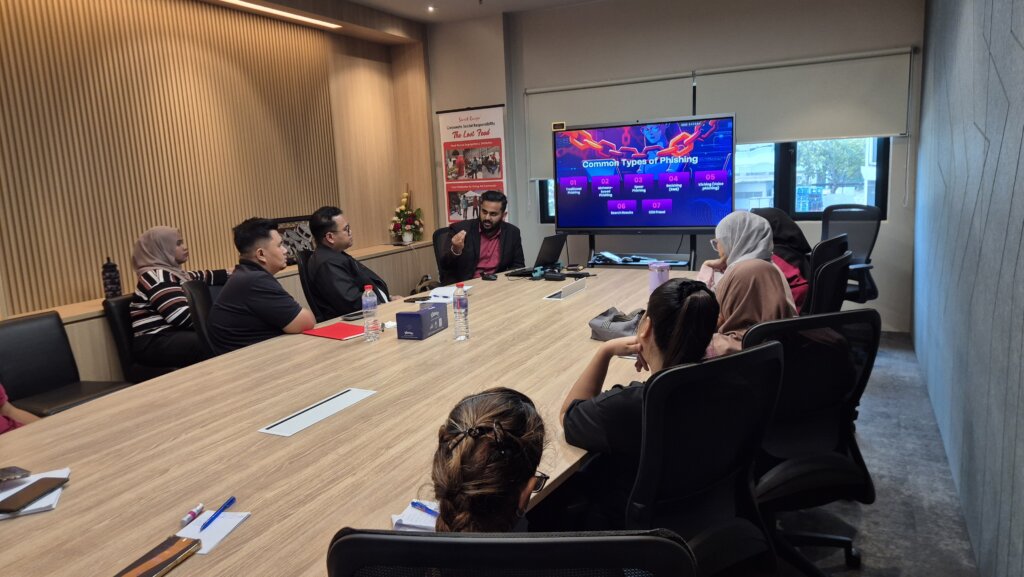
Digital tools and AI applications can create new opportunities, but they also introduce risks when employees do not understand how to handle information securely.
Cybersecurity is not solely the responsibility of IT departments. Everyday decisions — such as opening an attachment, sharing a document or entering information into an online tool — can affect an organisation’s security.
A cybersecurity awareness training course helps employees recognise common threats and follow safer digital practices.
What employees can learn:
Recognising phishing emails and suspicious links.
Creating and protecting strong passwords.
Understanding multi-factor authentication.
Handling confidential and personal information.
Identifying social engineering attempts.
Using workplace applications responsibly.
Reporting suspected security incidents.
Who should attend:
All employees, with additional role-specific training for IT teams, administrators and employees who handle sensitive information.
Why prioritise it in January 2027?
As organisations introduce new digital tools and workflows, it is useful to review security practices and establish clear expectations from the beginning of the year.
The training should align with the organisation’s security policies and applicable legal and regulatory requirements.
10. Teamwork, Collaboration and Team Building 🤝
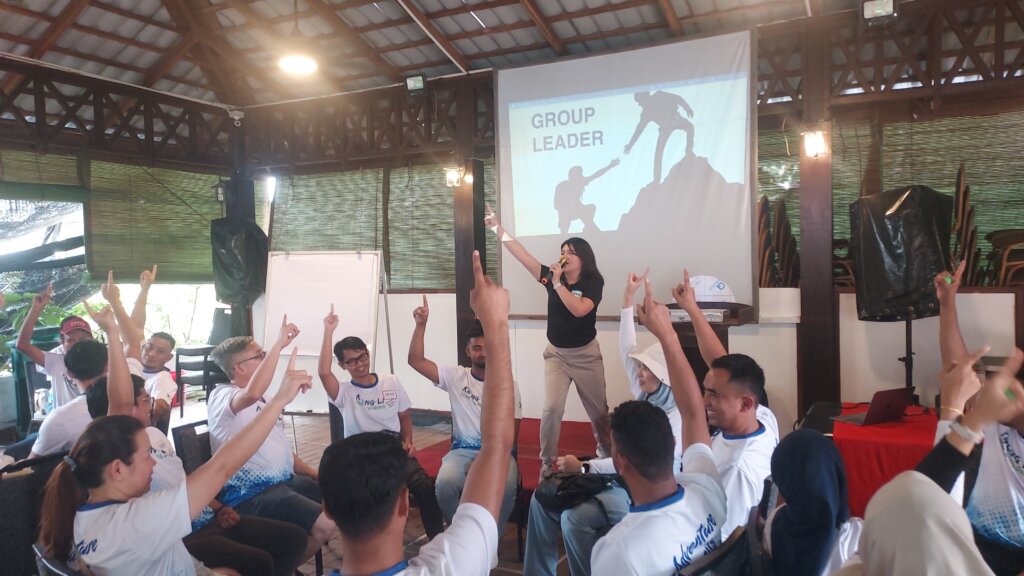
Even highly skilled employees can struggle to deliver results when communication breaks down, responsibilities overlap or departments work in isolation.
Team building and collaboration training can give employees opportunities to practise coordination, trust, communication and collective problem-solving in a different environment.
Unlike a purely recreational outing, an objective-led team building programme starts with the behaviours or team dynamics the organisation wants to develop.
What employees can practise:
Sharing information effectively.
Listening to different perspectives.
Coordinating roles and responsibilities.
Solving problems as a group.
Making decisions under time pressure.
Managing disagreements constructively.
Reflecting on team performance.
Who should attend:
Intact teams, cross-functional departments, new teams, management groups and organisations looking to improve employee engagement.
Why prioritise it in January 2027?
The beginning of the year is a useful time to bring teams together, align expectations and establish how employees will collaborate towards shared goals.
Activities should be selected according to the team’s needs, participant requirements and venue. A facilitated reflection or action-planning session can help participants connect the experience to their daily work.
How to Choose the Right Training Courses for January 2027 🎯

The courses above cover a range of skills, but your organisation does not need to conduct all ten at once.
The best training calendar starts with business priorities and identified skills gaps.
Before confirming your January training schedule, consider the following.
1. Identify your organisation’s priorities
What does your organisation need to achieve in 2027?
For example:
Improving productivity may point towards AI, Excel or process improvement training.
Developing future managers may require leadership and coaching programmes.
Improving sales performance may call for sales excellence and negotiation training.
Strengthening teamwork may require communication development or facilitated team building.
2. Conduct a Training Needs Analysis
A Training Needs Analysis (TNA) helps identify the gap between current capabilities and the skills employees need.
You can gather information through manager discussions, employee surveys, performance reviews, assessments and business plans.
This helps avoid selecting courses simply because they are popular.
3. Match courses to employee proficiency
An employee who has never used Excel will need a different course from someone already building complex reports.
Likewise, AI training for beginners should differ from advanced training focused on workflow automation.
Assess participants’ existing knowledge before deciding on the course level.
4. Prioritise practical application
Ask how the training will help employees perform their actual jobs.
Look for opportunities to practise relevant skills, receive feedback and develop an action plan for applying the learning at work.
5. Plan the budget and funding requirements
If your organisation intends to use HRD Corp funding, confirm that the selected programme, employer and application meet the applicable requirements.
HRD Corp provides information on its claimable course scheme, eligible training arrangements and application procedures. Employers should check the latest official guidance and secure any required approval before training begins.
6. Evaluate the results
Decide how you will assess the training before the course starts.
Depending on the objective, measures may include knowledge assessments, practical task performance, participant feedback, manager observations or follow-up reviews.
Training effectiveness is easier to evaluate when the intended outcomes are clearly defined from the beginning.
Should Your Company Start Planning Its 2027 Training Calendar Now? 📅

January is an important opportunity to set the direction for employee development, but effective training planning should begin before the new year starts.
HR and L&D teams can use the remaining months of 2026 to review business priorities, consult department heads, identify skills gaps and shortlist suitable training providers.
This preparation makes it easier to choose programmes that align with the organisation’s objectives instead of rushing to fill the calendar.
For Malaysian employers considering HRD Corp support, remember that claimability is subject to the relevant scheme requirements and approvals. Check the latest official guidance before committing to a programme.
Start 2027 with the Right Training Partner 🚀

From AI workplace productivity and Microsoft Excel to leadership development, sales excellence and team building, the right training programme can help employees build capabilities relevant to their roles.
At Vspire Academy, our corporate training and team building programmes can be explored according to your organisation’s development priorities, participants and learning objectives.
If you’re preparing your January 2027 corporate training calendar, start by identifying the skills your workforce needs most.
⬇️ Contact Vspire Academy to discuss your next corporate training programme.
Let’s make 2027 a year of purposeful learning, practical development and stronger teams. 🤝
Want more Learning and Development content?
Follow our social media:
Hashtags:
#CorporateTrainingMalaysia #TrainingCourses2027 #January2027 #HRMalaysia #HRDC #HRDCorp #LearningAndDevelopment #EmployeeDevelopment #WorkforceUpskilling #AITraining #AIForWork #LeadershipDevelopment #MicrosoftExcel #SalesTraining #CommunicationSkills #TeamBuildingMalaysia #FutureOfWork #WeInspire #VspireAcademy
Keywords:
training courses January 2027 Malaysia, corporate training courses Malaysia, training programmes Malaysia 2027, best corporate training courses, employee training and development, professional development courses Malaysia, HRD Corp claimable training Malaysia, workplace skills training, staff training programmes, corporate learning and development, training calendar 2027, AI training Malaysia, Generative AI for workplace productivity, leadership training Malaysia, management training courses, advanced Microsoft Excel training Malaysia, communication skills training, presentation skills training Malaysia, sales training and negotiation skills, emotional intelligence training, project management training Malaysia, critical thinking and problem-solving training, cybersecurity awareness training, corporate team building Malaysia, training courses for employees, training needs for 2027, January employee training plan, corporate training for HR professionals, upskilling and reskilling employees, employee development programmes, training providers in Malaysia, Vspire Academy corporate training